Frankos Chiropractic Blog
Sciatica vs Piriformis Syndrome: What’s the Difference?
Helpful patient education for Smithfield, Logan, and Cache Valley.
Leg Pain Guide • Cache Valley
Sciatica vs Piriformis Syndrome: What’s the Difference?
Sciatica and piriformis syndrome can feel similar because both may cause buttock pain, hip pain, or pain traveling into the leg. The important difference is where the irritation is likely coming from: the low back and nerve roots, or the deep glute/piriformis region.
Leg pain is not always “just piriformis,” and it is not always a disc problem either.
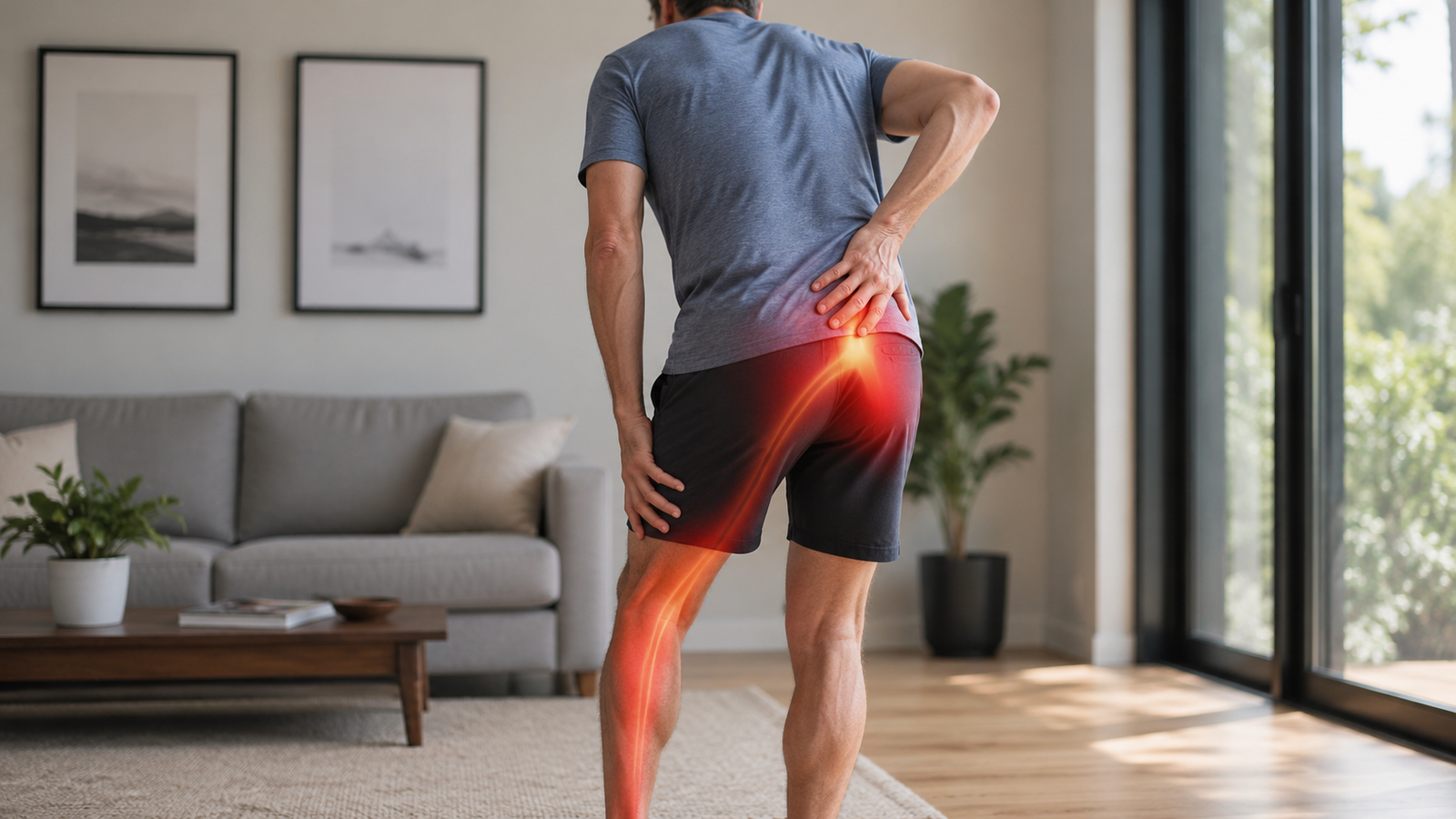
True sciatica is usually a symptom pattern from irritation or compression involving the sciatic nerve or the lumbar nerve roots that feed into it. Piriformis syndrome is more specific: the sciatic nerve may be irritated near the piriformis muscle deep in the buttock.
The problem is that low back, hip, SI joint, glute, hamstring, and nerve symptoms can overlap. That is why guessing from symptoms alone can be misleading. A focused exam helps separate a low back source, a glute/hip source, or a combination of both.
Frankos Chiropractic is located at 115 N Main St in Smithfield, Utah, serving patients from Smithfield, Logan, North Logan, Hyde Park, Richmond, Lewiston, Providence, Hyrum, Nibley, Wellsville, Cache Valley, Preston, Franklin, and nearby Southeast Idaho.
Main difference
Sciatica is a symptom pattern. Piriformis syndrome is one possible cause of sciatic-like symptoms.
Sciatica generally describes pain, numbness, tingling, or weakness that follows the sciatic nerve pathway from the low back or buttock into the leg. The most common “true sciatica” patterns involve irritation of lumbar nerve roots from a disc, narrowing, arthritis-related changes, or other spinal causes.
| Feature | Sciatica / Lumbar Radiculopathy Pattern | Piriformis Syndrome Pattern |
|---|---|---|
| Likely source | Low back nerve root irritation or compression before the nerve travels into the leg. | Irritation near the piriformis muscle deep in the buttock, outside the spine. |
| Common location | Low back, buttock, back or side of thigh, calf, foot, or toes. | Deep buttock pain, hip/glute pain, sometimes down the back of the thigh. |
| Common triggers | Bending, lifting, coughing, sneezing, sitting, spinal positions, or walking tolerance changes. | Sitting, stairs, squatting, hip rotation, direct glute pressure, or overuse of deep hip rotators. |
| Nerve signs | Numbness, tingling, reflex changes, or weakness may be more likely when a nerve root is involved. | Can mimic sciatica, but diagnosis is usually made after excluding more common spine causes. |
Bottom line: the location of the pain is not enough.
Pain in the buttock does not automatically mean piriformis syndrome. Pain down the leg does not automatically mean a disc problem. The pattern, exam findings, neurological signs, movement testing, and response to care all matter.
Symptom patterns
Clues that point one direction or the other.
These are not perfect rules, but they help explain why an exam is so important.
Pain travels below the knee
Symptoms that travel into the calf, foot, or toes, especially with numbness or tingling, are more suspicious for nerve involvement from the spine.
Weakness or foot changes
Dragging the foot, trouble lifting the toes, calf weakness, or obvious strength changes should be evaluated quickly.
Spine positions reproduce it
If bending, lifting, sitting, coughing, sneezing, or certain low back positions clearly reproduce leg symptoms, the low back may be involved.
Deep one-sided buttock pain
Piriformis-like symptoms often feel deep in the glute region and may be very tender with sitting or pressure on that side.
Sitting, stairs, or squatting flare it
Hip positions that load or compress the deep glute area can aggravate piriformis-like symptoms.
Low back and glute together
Many people have a combination of low back stiffness, hip tightness, glute guarding, and nerve sensitivity. The right plan should match the whole pattern.
When to take leg pain seriously
Some symptoms should not be treated like normal muscle tightness.
Most sciatica-like pain can start with conservative care, but certain symptoms need urgent medical evaluation or referral.
Get urgent evaluation if you have:
- Progressive leg weakness, foot drop, or trouble controlling the foot.
- Loss of bowel or bladder control, saddle numbness, or numbness in the groin region.
- Severe worsening pain after trauma, fall, or accident.
- Fever, unexplained weight loss, history of cancer, or signs of infection.
- Severe pain that does not change with position or is getting worse instead of better.
Why the exam matters
The goal is not to label pain. The goal is to find the driver.
A good evaluation looks at neurological signs, spine movement, hip motion, glute and piriformis tension, SI/pelvic mechanics, gait, and what actually reproduces or relieves the symptoms.
History and pattern
Where symptoms start, where they travel, what makes them better or worse, and whether numbness, tingling, or weakness is present.
Spine and nerve testing
Range of motion, nerve tension testing, reflexes, strength, sensation, and whether low back loading changes leg symptoms.
Hip and glute testing
Hip motion, glute tenderness, piriformis/deep rotator irritation, and movements like sitting, crossing the leg, stairs, or squatting.
Care or referral decision
Some cases are appropriate for conservative care. Others need imaging, co-management, or referral depending on the findings.
Home plan
The home plan should match the pattern. A piriformis stretch is not always the answer, and aggressive stretching can sometimes flare nerve symptoms.
Progress check
Improvement should be measured by pain, walking tolerance, leg symptoms, sleep, strength, and ability to return to normal activity.
Frankos Chiropractic care options
Care depends on whether the pattern looks spinal, glute/hip-driven, or mixed.
At Frankos Chiropractic, the goal is to match care to the exam rather than forcing every leg pain case into one category.

Sciatica-Like Symptoms
Evaluation for selected low back, glute, and leg pain patterns that may involve nerve irritation.

Back Pain Care
For low back pain with or without leg symptoms, based on the exam and safety screening.
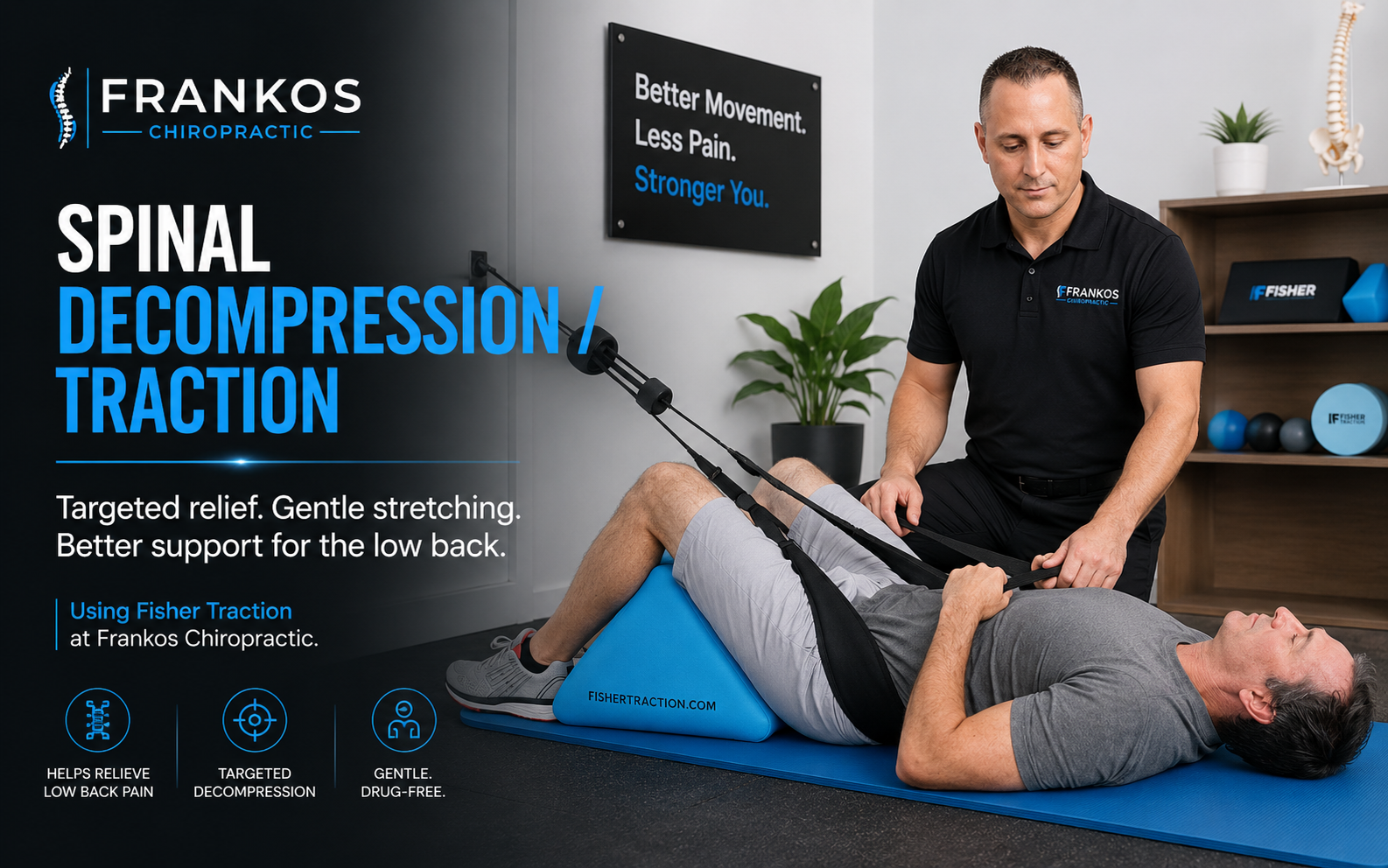
Traction / Decompression
May be considered for selected low back and leg symptom patterns when unloading is appropriate.
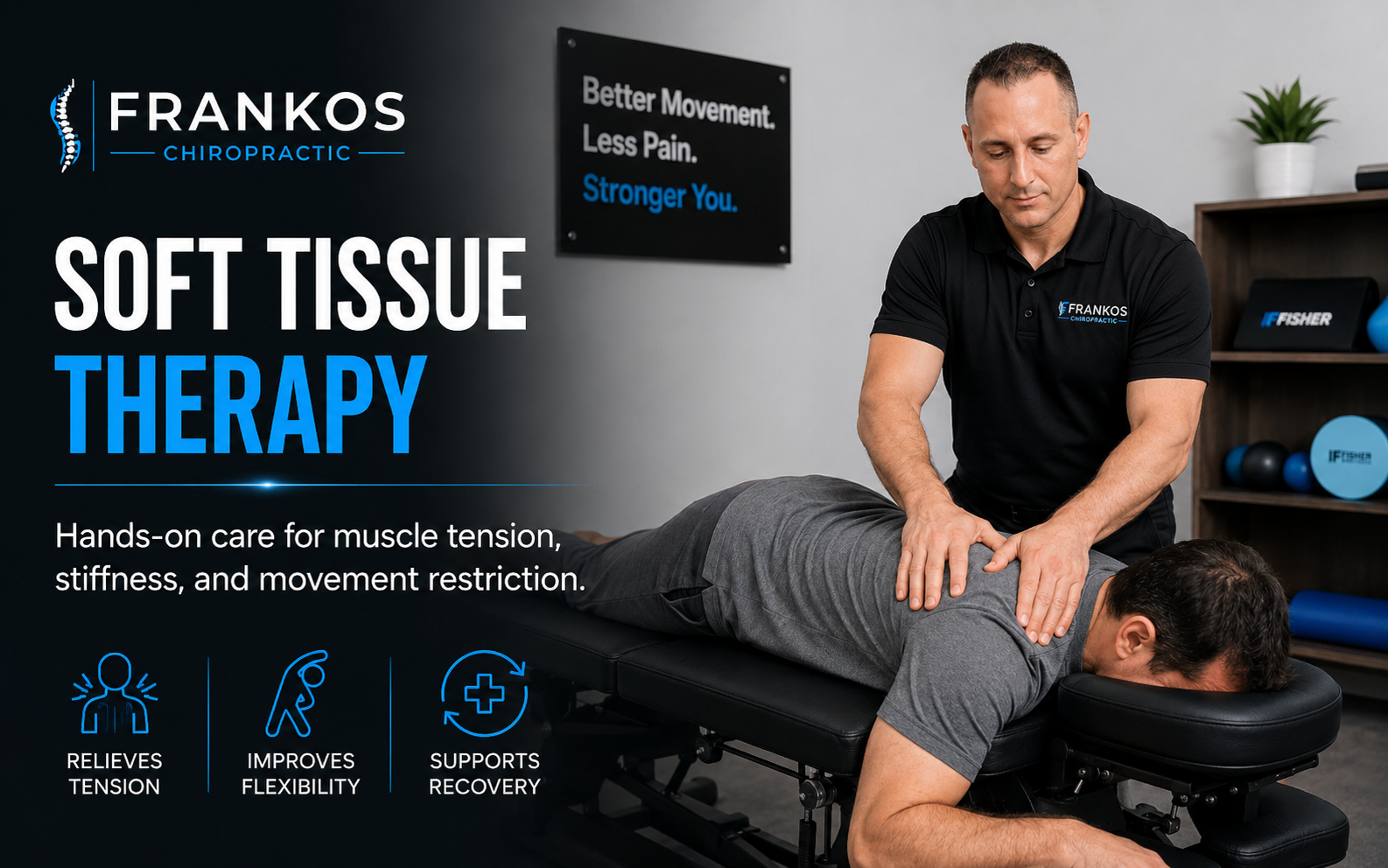
Soft Tissue Therapy
For selected muscle guarding, hip tightness, glute tension, and movement restrictions that may contribute to symptoms.

Shockwave Therapy
May be considered for selected chronic tendon, fascia, or soft tissue pain patterns when appropriate.

Book an Evaluation
If leg pain keeps coming back, travels below the knee, or includes numbness, tingling, or weakness, get checked.
FAQ
Common questions about sciatica and piriformis syndrome.
These answers are educational and do not replace a personal exam.
Is piriformis syndrome the same as sciatica?
No. Sciatica is a symptom pattern involving the sciatic nerve pathway. Piriformis syndrome is one possible cause of sciatic-like symptoms when the nerve is irritated near the piriformis muscle.
Can piriformis syndrome cause pain down the leg?
Yes, it can mimic sciatica and may refer pain down the back of the thigh. Symptoms that travel into the foot, cause numbness, or include weakness need closer evaluation.
Should I stretch my piriformis?
Sometimes, but not always. If stretching increases leg symptoms, tingling, or nerve pain, stop and get evaluated. Some cases need nerve-friendly movement, hip strengthening, or low back care instead.
How do I know if it is a disc problem?
No single symptom proves it. A disc or nerve root pattern is more likely when symptoms travel below the knee, include numbness or weakness, or change strongly with spinal positions.
Can chiropractic care help?
It depends on the exam. Care may include chiropractic adjustments, soft tissue therapy, traction/decompression, home movement guidance, or referral when needed.
Where is Frankos Chiropractic?
Frankos Chiropractic is located at 115 N Main St in Smithfield, Utah and serves Cache Valley from one Smithfield office.
Not sure whether it is sciatica, piriformis, hip, or low back?
That is exactly what an evaluation is for. Book a visit at Frankos Chiropractic in Smithfield and get a clearer plan for your leg pain pattern.
Get exam-based answers for sciatica-like leg pain.
Frankos Chiropractic helps patients from Smithfield, Logan, North Logan, Hyde Park, Richmond, Lewiston, and Cache Valley understand whether their symptoms look more like a low back, hip/glute, or mixed pattern.
Frankos Chiropractic is located at 115 N Main St, Smithfield, UT 84335. We do not operate fake locations in other towns.