Frankos Chiropractic Blog
How to Relieve Back Pain Fast
Helpful patient education for Smithfield, Logan, and Cache Valley.
Back Pain Relief Guide • Smithfield, Utah
How to Relieve Back Pain: A Practical Guide from a Smithfield Chiropractor
Back pain can make simple things feel hard: bending, sitting, sleeping, lifting kids, working, driving through Cache Valley, or getting through a normal day. This guide explains practical ways to calm a flare-up, move safely, avoid common mistakes, and know when it is time to schedule an evaluation.
Start with the goal: calm pain without making it more sensitive.
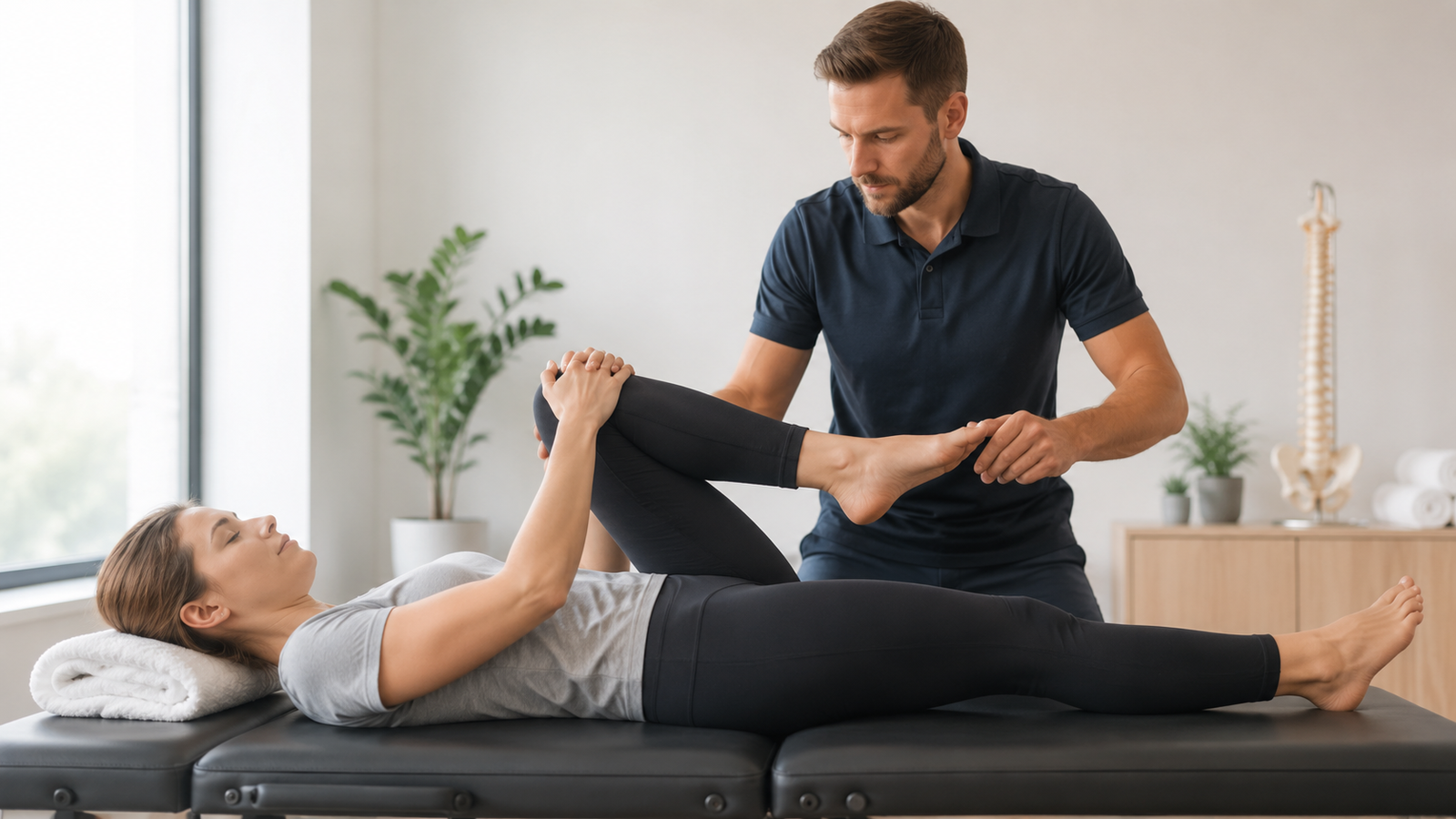
The best first step is not always the biggest stretch, the strongest exercise, or the hardest adjustment. The first goal is usually to reduce irritation, keep the body moving, and avoid repeated positions or movements that keep lighting the pain up.
Frankos Chiropractic is located at 115 N Main St in Smithfield, Utah, serving patients from Logan, North Logan, Hyde Park, Richmond, Lewiston, Providence, Hyrum, Nibley, Wellsville, Cache Valley, and nearby Southeast Idaho.
Before trying home care
First, know when back pain needs urgent medical attention.
Most back pain is not an emergency, but some symptoms should not be ignored. Home care is not the right starting point if the symptoms suggest possible nerve compression, infection, fracture, or another serious problem.
Get urgent care now if back pain comes with any of these symptoms.
- Loss of bladder or bowel control, or new trouble urinating.
- Numbness around the groin, saddle area, genitals, or anus.
- Progressive weakness, numbness, or tingling in one or both legs.
- Back pain after a serious fall, collision, or major trauma.
- Fever, chills, feeling very unwell, unexplained weight loss, or a history of cancer with new back pain.
- Severe pain that is constant, worsening quickly, or worse at night and not easing with position changes.
This post is educational and does not replace an exam. If you are unsure whether your symptoms are safe for chiropractic care, call the office or seek medical advice first.
The first 24 to 72 hours
How to relieve back pain during a flare-up.
A flare-up often improves faster when you keep the body moving within tolerance instead of locking everything down. The key is to move enough to reduce stiffness without repeatedly provoking the painful pattern.
Keep moving, but shrink the dose.
Take short walks, change positions often, and use easy daily movement. If a 20-minute walk is too much, try three to five minutes several times per day.
Use heat or ice to make movement easier.
Ice may help after a fresh strain or sharp flare-up. Heat may help stiffness, guarding, and muscle spasm. Use a towel barrier and keep sessions short.
Find positions that quiet symptoms.
Try lying on your back with knees bent, side-lying with a pillow between the knees, or standing and gently walking. The right position is the one that calms symptoms without creating new pain.
Avoid testing it every five minutes.
Repeated toe touches, twisting, or checking the painful motion can keep the area irritated. Give the back a chance to settle before retesting.
Do not chase deep stretches right away.
If stretching sends pain down the leg, increases numbness, or makes symptoms worse afterward, stop and get checked. Gentle motion is different than forcing range.
Make sitting temporary.
Long sitting can irritate some low backs. Try standing breaks every 20 to 30 minutes, a small lumbar support, or short walks between tasks.
A simple movement plan
Try gentle back pain exercises that build confidence instead of fear.
The goal is not to prove how flexible you are. The goal is to restore comfortable motion, reduce guarding, and gradually rebuild strength. Start small and stop any movement that causes sharp pain, new symptoms, or symptoms traveling farther down the leg.
The pain rule for home movement.
Keep exercises in a tolerable range. Mild discomfort can happen when you start moving again, but the routine should not make your overall back pain worse, should not create new symptoms, and should not leave you worse the next morning.
Start with one or two movements. Add more only if your back tolerates them well.
Beginner routine for many back pain flare-ups.
- Short walk: 3 to 10 minutes at an easy pace.
- Pelvic tilts: Small, slow motion while lying on your back with knees bent.
- Knee rocks: Knees bent, gently rock side to side in a comfortable range.
- Cat-cow: Slow spinal motion on hands and knees or modified on a bed.
- Glute squeeze or bridge prep: Activate the glutes without arching hard.
- Hip flexor stretch: Gentle, short hold if it feels relieving and does not increase symptoms.
Common mistakes
What not to do when your back hurts.
Back pain often gets worse when people swing between doing nothing and doing too much. A smarter approach is to stay active, reduce the irritating loads, and rebuild gradually.
Staying in bed too long
Rest may feel necessary for a short window, but prolonged bed rest often increases stiffness, fear, and weakness. Keep movement gentle and frequent.
Forcing painful stretches
If a stretch sends symptoms into the glute, thigh, calf, or foot, back off. Nerve-like pain usually needs a different strategy than aggressive stretching.
Lifting with a tired back
During a flare-up, reduce repeated bending, twisting, and heavy lifting. Use hip hinges, split stances, and smaller loads when you must lift.
Sitting until pain builds
Desk work, long drives, and phone posture can keep a low back irritated. Use movement breaks before symptoms peak.
Ignoring recurring patterns
If the same flare-up keeps returning, the issue may involve mobility, strength, workload, recovery, or movement habits that need a plan.
Waiting too long after an injury
Back pain after an auto accident, fall, sports injury, or lifting incident may need evaluation, especially if symptoms are spreading or worsening.
Cache Valley back pain triggers
Why back pain keeps showing up for active families, workers, students, and athletes.
Back pain is not always caused by one dramatic injury. In Smithfield, Logan, and Cache Valley, it often comes from repeated stress: lifting, commuting, yard work, sports, desk work, pregnancy changes, weekend projects, farm work, snow shoveling, or returning to activity too fast after time off.
Common patterns we see.
- Low back stiffness after sitting or driving.
- SI or pelvic discomfort after lifting, twisting, or pregnancy-related changes.
- Back tightness that worsens after yard work, farm work, or weekend projects.
- Glute, hip, or leg symptoms that feel like sciatica.
- Recurring flare-ups that improve, then return with the same activity.
- Back soreness in students, desk workers, runners, lifters, and active parents.
The real goal is not just less pain today.
Relief matters. But if you only calm symptoms without addressing the pattern, back pain can keep coming back. A better plan looks at movement, joint motion, muscle guarding, workload, posture, recovery, and what your body needs to tolerate normal life again.
When home care is not enough
How chiropractic care may help with back pain.
A chiropractic visit should start with listening, history, and an exam. The goal is to understand whether the pain looks mechanical, muscle-related, joint-related, nerve-like, injury-related, or something that needs medical referral before treatment.
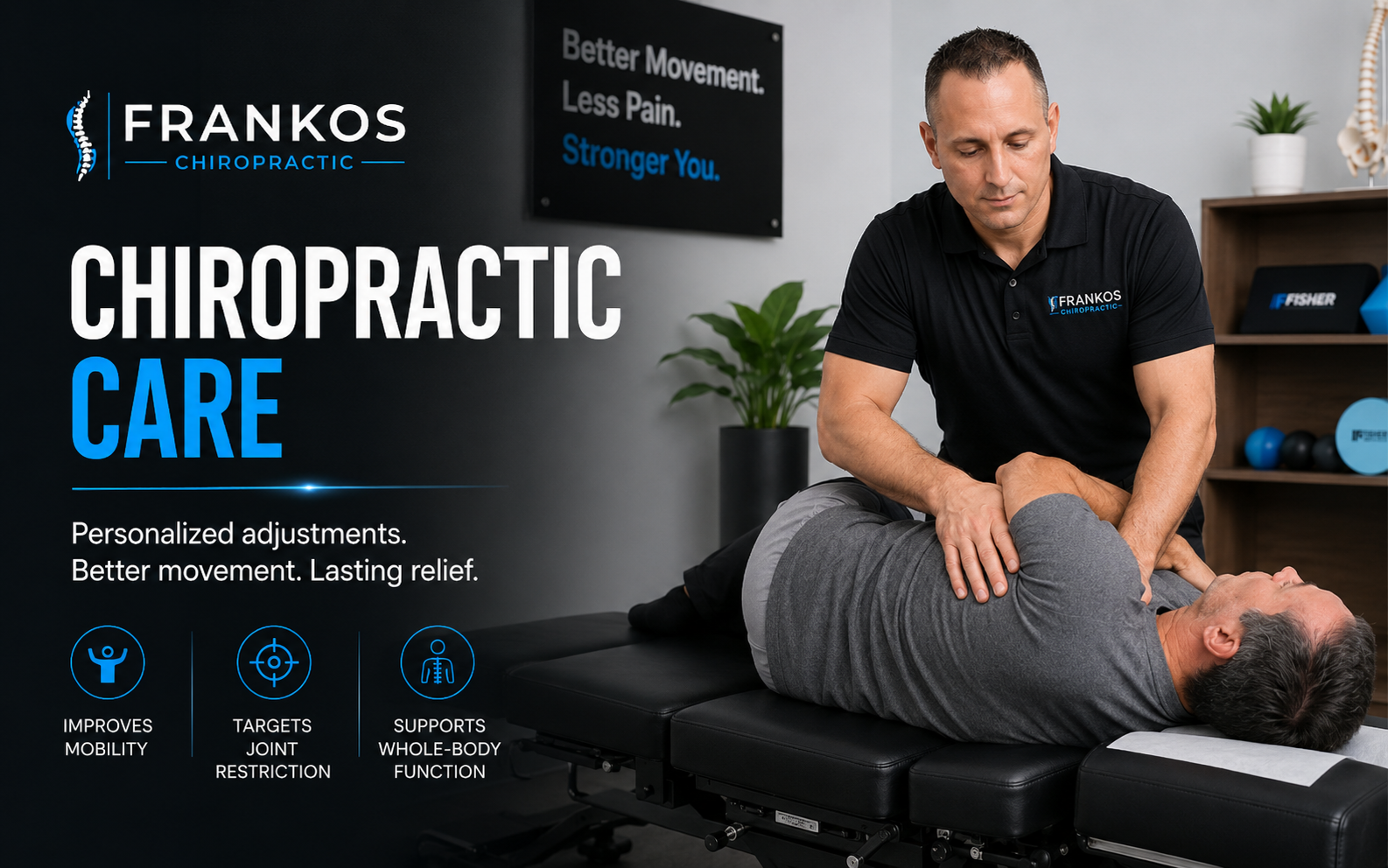
Chiropractic Adjustments
Specific care for restricted spinal, pelvic, or extremity joints when your exam suggests adjustment is appropriate.
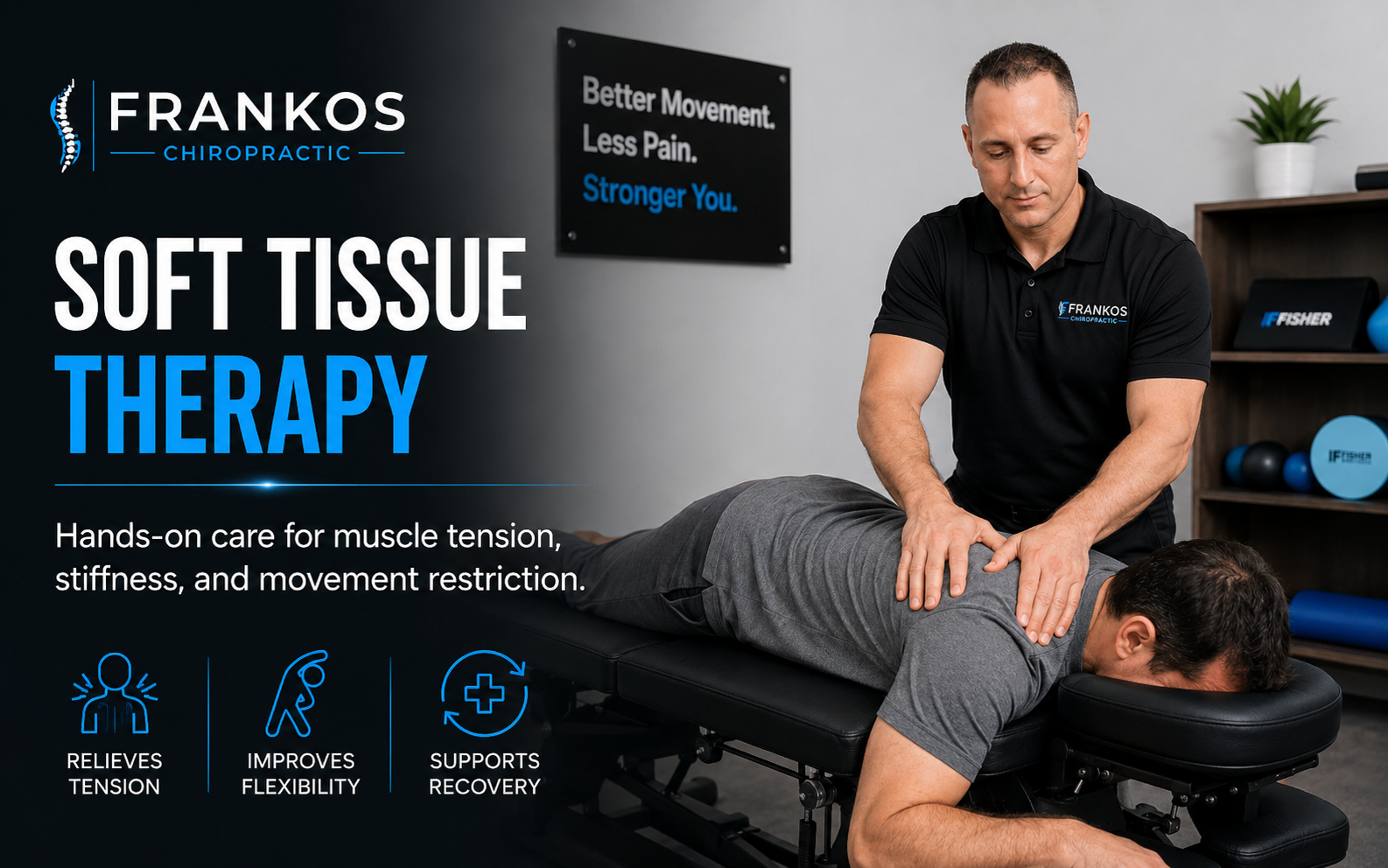
Soft Tissue Therapy
Hands-on muscle-focused care for tight, tender, guarded, or overloaded areas that may be feeding the pain cycle.
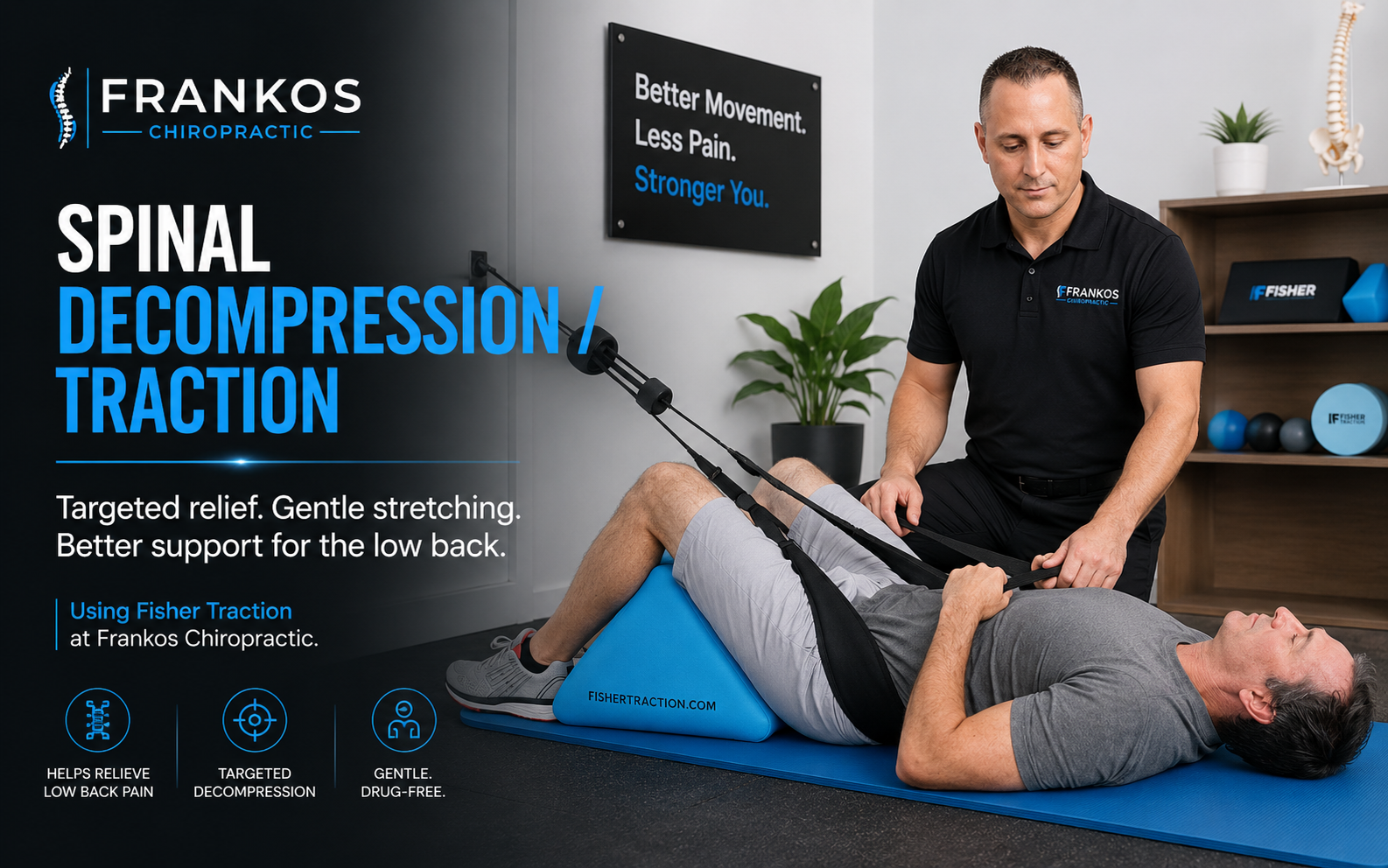
Spinal Decompression / Traction
Traction-style care may be considered for selected low back presentations based on symptoms, exam findings, and tolerance.

Shockwave Therapy
Radial shockwave therapy may be used for selected chronic tendon, fascia, or soft tissue problems when appropriate.
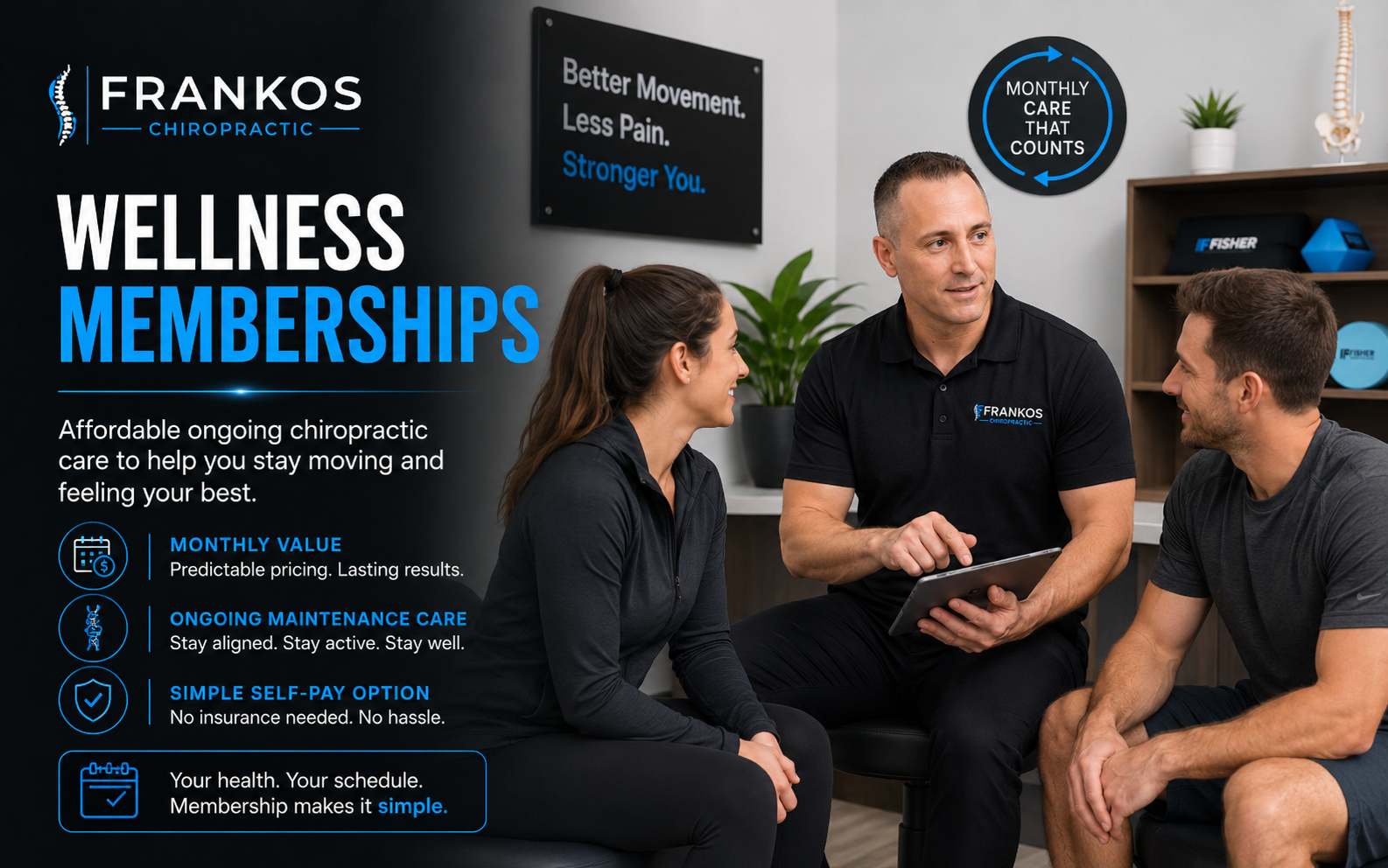
Wellness Visits
Maintenance-style visits are for patients who are appropriate for wellness care, not active injury or new pain evaluation.
Schedule Evaluation
If symptoms are limiting your day or keep returning, book a visit so the plan matches your actual presentation.
Prevention after the flare-up
How to reduce the chances of back pain coming back.
Once pain settles, the goal changes from “calm it down” to “build capacity.” That means your back, hips, core, and daily habits need to handle what your life demands.
Walk, then strengthen
Walking, swimming, light lifting, and progressive core and hip strengthening can help the spine tolerate more load over time.
Use hips for lifting
Practice hip hinging, keeping loads close, avoiding combined bending and twisting, and splitting heavy tasks into smaller rounds.
Respect sleep and pacing
Poor sleep, stress, sudden workload spikes, and doing too much too soon can all make flare-ups more likely.
Back pain relief should be practical, not confusing.
If your back pain is not improving, keeps coming back, or is interfering with work, parenting, exercise, or sleep, Frankos Chiropractic can help you figure out the next step.
Helpful local pages
Back pain care from one Smithfield office serving Cache Valley.
Frankos Chiropractic is physically located in Smithfield, Utah. Patients also visit from nearby communities across Cache Valley and Southeast Idaho.
No fake satellite locations. All care is scheduled through the Smithfield office at 115 N Main St.
Back pain FAQ
Common questions about relieving back pain.
These answers are general. The right plan depends on your symptoms, history, exam findings, and how your back responds to movement.
What is the fastest way to relieve back pain at home?
The safest starting point for many people is gentle movement, short walks, changing positions often, and using heat or ice for short-term relief. Avoid staying in bed for long periods. If pain is severe, spreading down the leg, causing numbness or weakness, or not improving, schedule an evaluation.
Should I use heat or ice for back pain?
Ice may help calm pain after a fresh strain or flare-up. Heat often helps stiffness and muscle guarding. Use a towel barrier, keep sessions short, and choose the option that makes movement easier without irritating symptoms.
Is walking good for lower back pain?
Walking is often one of the best early movements because it keeps the back moving without heavy loading. Start with short, comfortable walks and increase gradually as long as symptoms do not worsen.
Should I stretch if my back hurts?
Gentle mobility can help, but aggressive stretching can make some back pain or nerve-like symptoms worse. Keep movements easy, stop if pain shoots down the leg or increases, and get checked if symptoms are not improving.
When should I see a chiropractor for back pain?
Consider scheduling if your pain is limiting daily activity, keeps returning, follows lifting, sports, desk work, yard work, pregnancy, or an auto accident, or if you are unsure what movements are safe. A chiropractic exam can help determine whether conservative care is appropriate.
What back pain symptoms need urgent medical care?
Seek urgent care for back pain with loss of bowel or bladder control, numbness around the groin or saddle area, progressive leg weakness, fever or feeling very unwell, unexplained weight loss, chest pain, or pain after a serious accident.
Can chiropractic care help low back pain?
Many patients seek chiropractic care for mechanical low back pain, stiffness, SI discomfort, muscle guarding, and restricted motion. Care may include chiropractic adjustments, soft tissue therapy, mobility work, traction-style care, and home recommendations when appropriate.
How long does back pain usually take to improve?
Many simple back pain flare-ups improve within a few weeks, but recurring pain, worsening pain, symptoms traveling below the knee, or pain that does not improve with home care should be evaluated.
Where can I book back pain care near Logan or Smithfield?
Frankos Chiropractic is located in Smithfield, Utah. Patients visit from Logan, North Logan, Hyde Park, Richmond, Lewiston, Providence, Hyrum, Nibley, Wellsville, Cache Valley, and nearby Southeast Idaho.
Ready to get checked?
Schedule back pain care at Frankos Chiropractic in Smithfield.
Book online or call the office if you are unsure which appointment type fits your symptoms. Frankos Chiropractic is located at 115 N Main St in Smithfield, Utah.